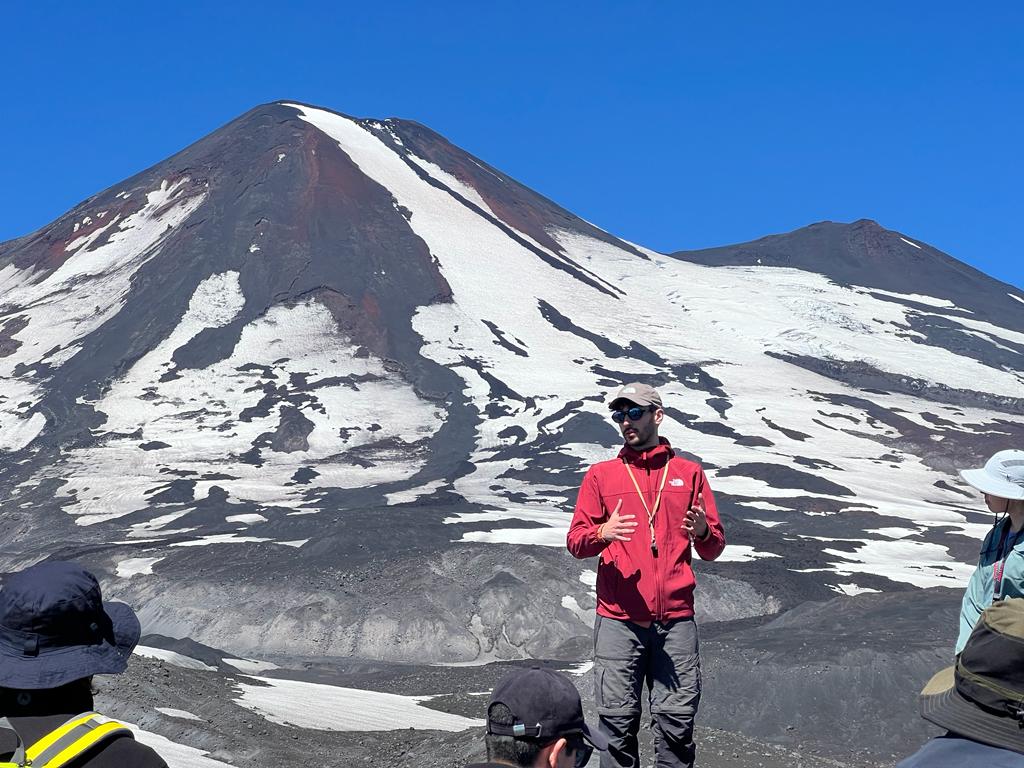
Matias Romero

Through my teaching assistant roles in the Department of Geoscience at the University of Wisconsin–Madison, I helped students understand Earth system processes that govern past climate and landscape change. I have supervised both undergraduate and graduate students, and I actively develop research questions that integrate mentoring at both levels. Central to my teaching philosophy is bringing students closer to the outdoors to build inclusive, hands-on learning environments, using outdoor experiences to connect theory with observations. Below I highlight a recent example of this approach.


Field-based teaching and mapping activity

Volcanoes and Ice Summer Program (VISP)

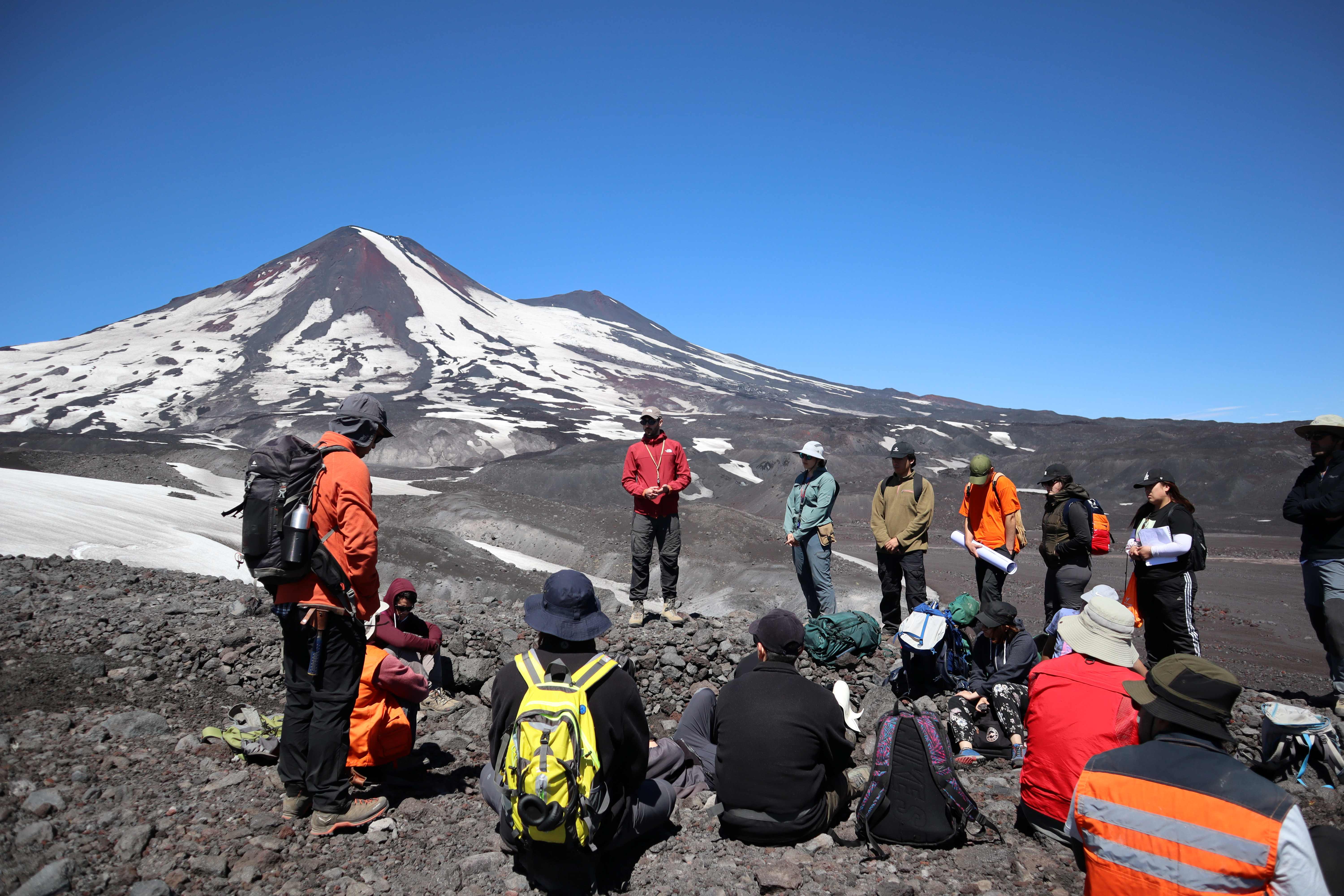
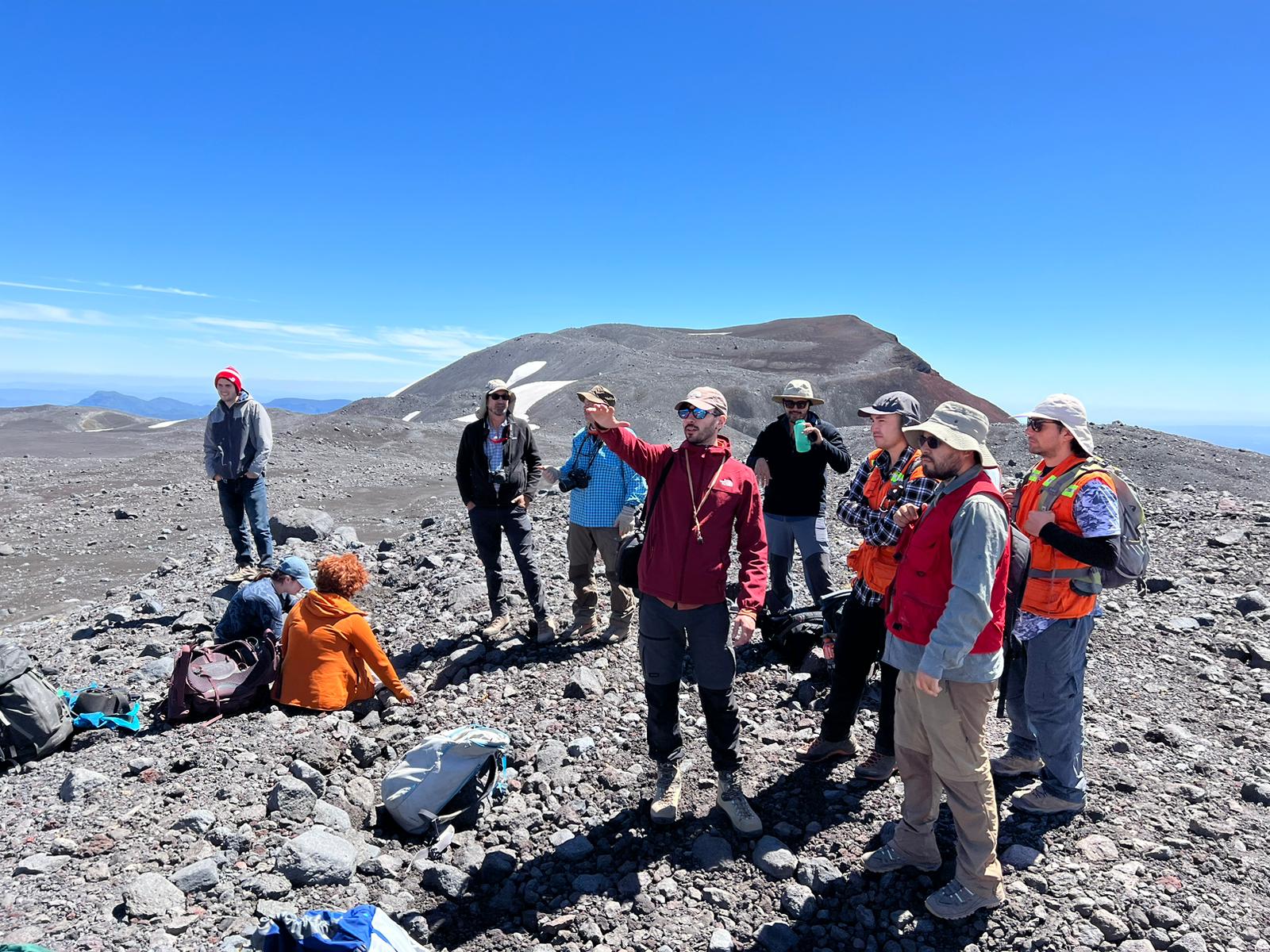
I participated of the Volcanoes and Ice Summer Program (VISP) twice as an instructor. The program introduces students from non-geoscience majors and non-traditional institutions in the U.S. and Chile to volcanic and glacial processes through direct study of volcanic and glacial deposits. I taught in Chile during the austral summers of 2023 and 2025 in Temuco and Pucon, respectively.
Cosmogenic nuclide sampling / lab teaching

Geochronology fundamentals

A hands-on activity introducing cosmogenic nuclide surface-exposure dating around Llaima and Villarrica volcanoes. Students learned sampling strategy, topographic shielding, production rates, and how exposure ages constrain timing of glacial advance and retreat and rates of surface processes change.

GIS and remote sensing teaching

Field-based lecture on glacial landscapes

Students were introduced to the fundamentals of glacial landscapes and glacial geology through direct observation in the field. The lecture focused on the key processes shaping glaciated terrains, including surface mass balance, reconstruction of former equilibrium-line elevations, and the links between glacier dynamics, sedimentation, and glacial landsystems.